
Fraud in a Dental Office Doesn’t Always Look Like Theft
- Michael Blevins

- May 15
- 2 min read
When most people think about fraud in a dental office, they usually picture someone stealing cash. But in a recent Southern California case, prosecutors alleged a dental office submitted nearly $800,000 in false Medi-Cal claims for work that wasn’t actually performed.
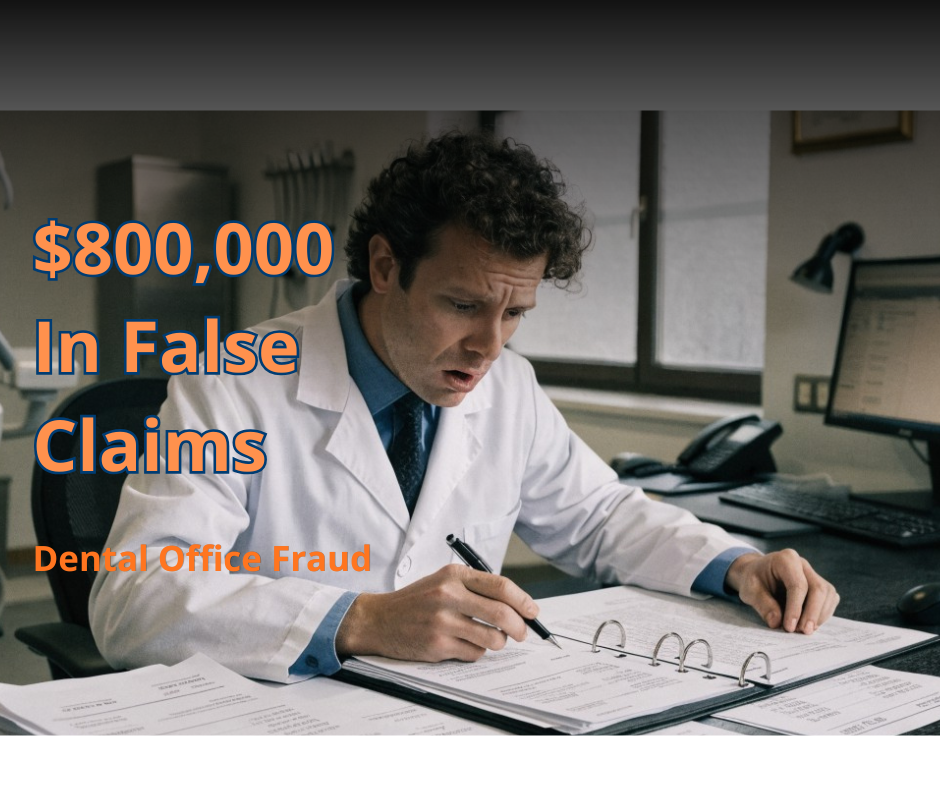
That highlights an important reality many business owners overlook: Fraud risk is not always about someone physically taking money. Sometimes it develops quietly inside:
billing processes
documentation
approvals
insurance claims
routine activity that gradually stops being reviewed
And that’s what makes these cases so dangerous.
How Fraud Risks Build Over Time
Cases like this typically do not begin with one large fraudulent act. Instead, problems often grow slowly through:
weak oversight
poor review procedures
lack of independent verification
excessive trust in routine operations
Eventually, billing activity that once received attention simply becomes “normal.”
And when nobody is looking closely anymore, risks can grow unnoticed.
Important Lessons for Dental Practices and Small Businesses
This case is a reminder that fraud prevention is not just about preventing theft.
It is also about:
reviewing billing activity
monitoring claims processes
verifying documentation
maintaining strong internal controls
That applies not only to dental offices, but to many businesses that process billing, insurance claims, or client payments.
Watch the Fraud Friday Video
I recently discussed this Southern California dental office case in a short Fraud Friday video, including several lessons business owners can take away from it.
🎥 Watch the video here: Watch the Fraud Friday Video
Final Thought
Fraud risk does not always appear dramatic while it is happening. Often, it hides inside normal business operations that nobody thinks to question anymore. And that’s exactly why periodic review and independent oversight matter.
If you’d like an outside perspective on fraud risk and internal controls in your organization, feel free to contact Blevins Associates Consulting for a confidential conversation.


Comments